
Each January, a new batch of characters enters the public domain — and with them comes a flood of creative possibilities. Horror filmmakers have already proven what can happen when familiar icons become free to reinterpret: Nosferatu’s UK re-release on January 1st, the twisted takes on fairy tales, and the infamous (and controversial) Popeye reimagining.
2026 is shaping up to be another fascinating year, with several major characters crossing into the public domain. While these figures were never intended to be scary, horror has a way of twisting nostalgia into nightmares. Here are five characters set to enter the public domain in 2026 — and why they’re ripe for terrifying reinvention.
🪶 1. Winnie-the-Pooh (Full Milne Texts & More Characters)

While the earliest Pooh material entered the public domain recently, additional stories and character elements become free in 2026.
Why horror potential?
- Already proven horrifying in Winnie-the-Pooh: Blood and Honey
- Deep woods, gentle innocence → perfect for corruption
- The contrast between sweetness and menace is prime horror fuel
Imagine a darker Hundred Acre Wood where imagination becomes a threat rather than comfort.

Love Winnie the Pooh? Why not check out our Public Domain Merchendise here!
🏛️ 2. Hercules (Additional Myth Adaptations Enter PD)
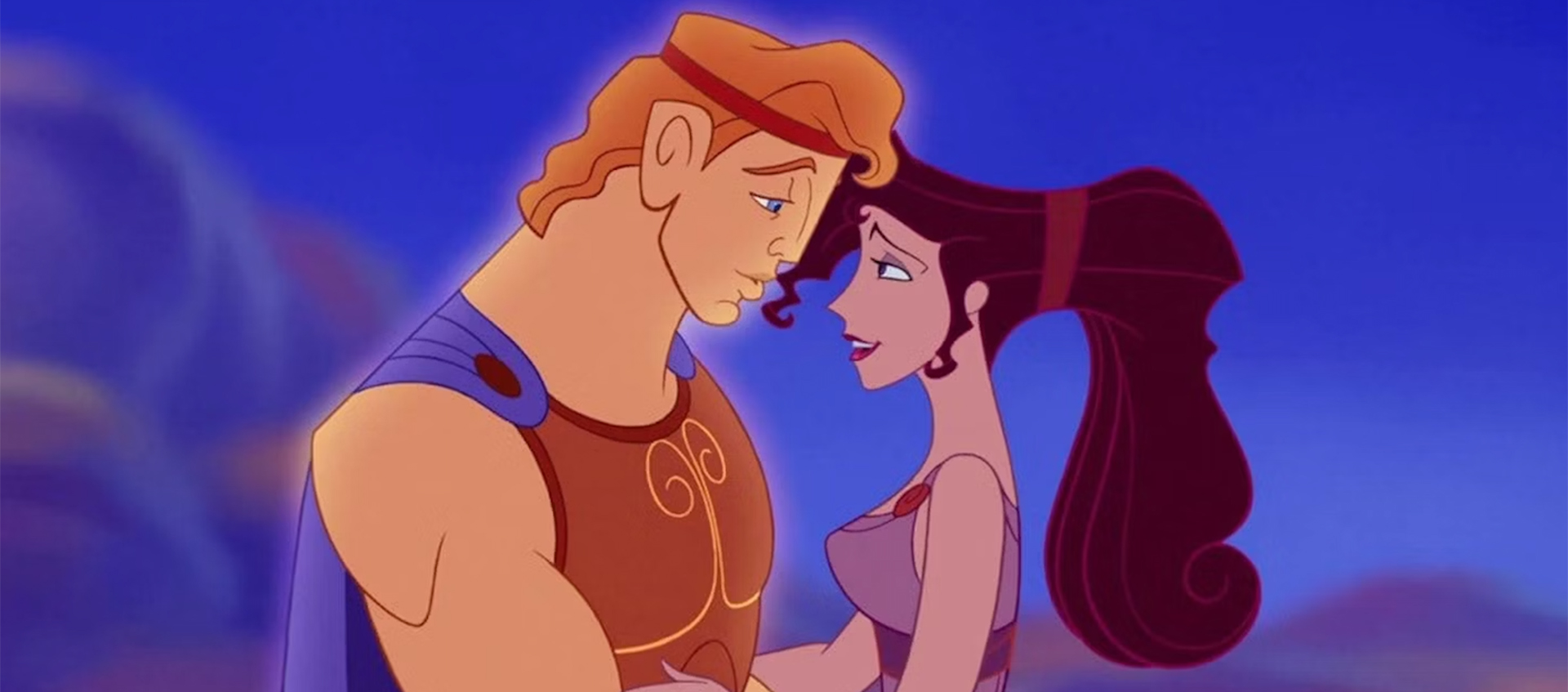
While the ancient myths are already free to use, certain illustrated and adapted versions become public domain in 2026.
Why horror potential?
- Hercules’ labors contain monstrous imagery: hydras, giants, and supernatural trials
- A retelling from the perspective of the creatures he kills could flip the myth into tragedy
- Body horror meets Greek tragedy — a powerful mix
A director could easily create a fever-dream horror where strength becomes a curse, and the gods behave like unseen predators.
🕯️ 3. The Cowardly Lion (from The Wizard of Oz 1930 adaptations)
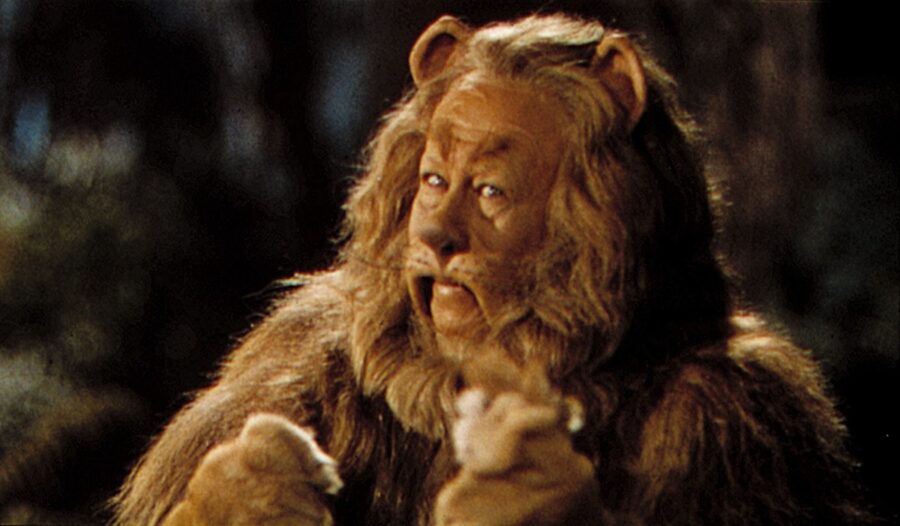
While the original Baum novel is already public domain, several later character illustrations and story elements hit the PD threshold in 2026.
Why horror potential?
- A lion stripped of courage creates instant psychological tension
- Walking the yellow brick road again — but corrupt, haunted, or bleeding into other genres
- Oz itself is ripe for surreal, expressionist horror
A new adaptation could turn the Lion into a tragic creature lost between fantasy and nightmare.
🎩 4. Mr. Toad (from The Wind in the Willows expansions)

Kenneth Grahame’s original book is already free to use, but secondary illustrated editions and interpretations become public domain next year.
Why horror potential?
- Toad’s wild obsession with motorcars already borders on mania
- Anthropomorphic characters → great for folk horror and creature features
- His downfall and arrogance can easily shift into madness
Imagine The Wicker Man meets woodland whimsy — a cult of animal townsfolk, rituals, and a very unhinged Mr. Toad.
👠 5. Snow White (Further Disney-linked elements expire)
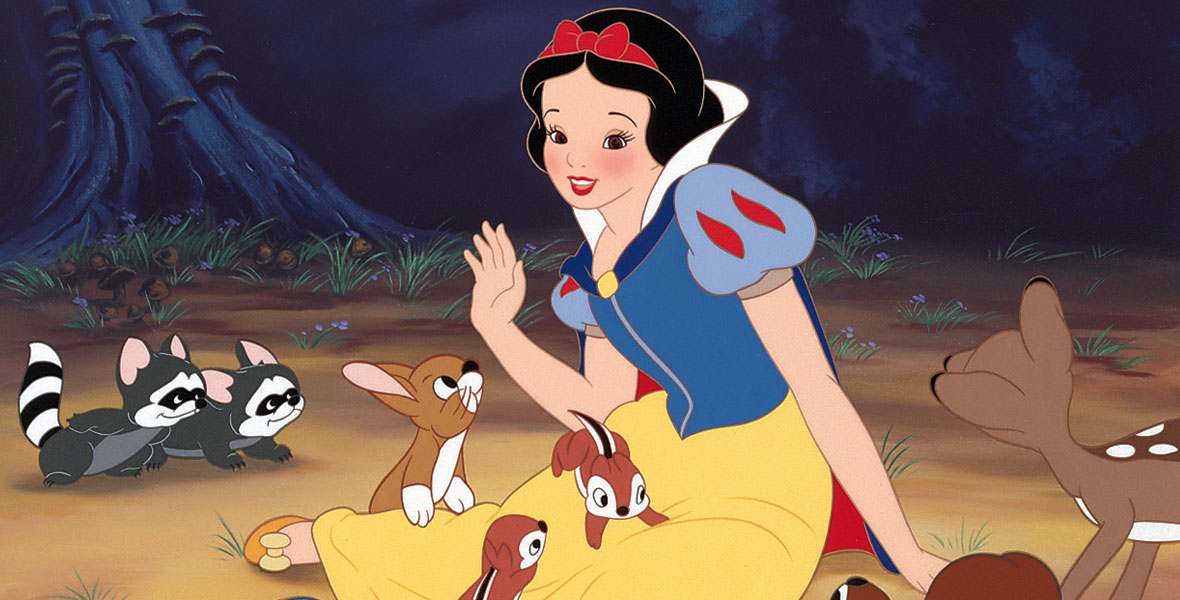
The original fairy tale is centuries old, but more illustrated versions and derivative works from the 1920s finally enter the public domain in 2026.
Why horror potential?
- Mirrors, witchcraft, resurrection — all classic horror motifs
- “Fairest of them all” makes an eerie foundation for psychological or body horror
- The forest sequences could become folk horror nightmares
Snow White could evolve into a gothic tragedy where innocence itself becomes monstrous.
🎃 Why These Characters Could Rule Horror in 2026
Public domain status unlocks creative chaos.
Studios, indie filmmakers, animators, even game designers can reinterpret these characters without licensing fees or restrictions.
The result?
- Unexpected horror retellings
- Dark twists on childhood favorites
- Nostalgia weaponised for scares
- A growing trend of “corrupted classics” dominating streaming and cinema
Just as Frankenstein has been reshaped for 200 years — and as Nosferatu returned to UK screens on January 1st this year — 2026’s newly freed characters may become the next faces of fear.


