
Few monsters in fiction have inspired as much art as Frankenstein’s creature. From 19th-century engravings to surreal modern sketches, every generation has reimagined Mary Shelley’s vision through its own creative lens.
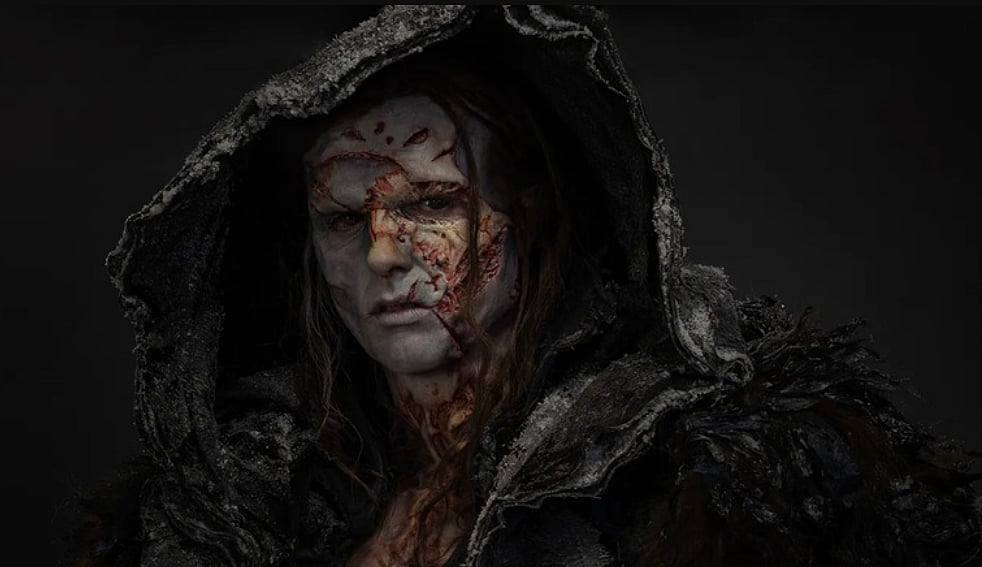
As Guillermo del Toro’s highly anticipated Frankenstein movie has been released, it’s clear that this story of ambition, creation, and tragedy continues to evolve, not just in film, but in art and fashion too.
Our Frankenstein collection pays tribute to three iconic artistic interpretations that shaped how we see the creature today: Romantic Gothic, Vanitas, and Surrealism.
🕯️ Romantic Gothic — Theodor von Holst

The Gothic imagination gave birth to Frankenstein, and no one captured it better than Theodor von Holst.
In 1831, von Holst created the first-ever published image of the creature for the third edition of Mary Shelley’s novel. His dramatic engraving — part science, part nightmare — showed Victor recoiling from his creation, bathed in candlelight and shadow.

It was Romantic Gothic at its finest: moody, emotional, and charged with moral dread.
Nearly two centuries later, von Holst’s vision still shapes how we picture the Monster — the dark laboratory, the lightning, the anguish.
You can see traces of this style in the new Frankenstein trailer: Gothic corridors, flickering candles, and a monster born from beauty and terror in equal measure. Our own Frankenstein merch echoes that same atmosphere — a must for fans who love the classic horror aesthetic.

💀 Vanitas — Antonio de Pereda
If von Holst gave Frankenstein its look, Antonio de Pereda gave it its meaning.
His 17th-century Vanitas paintings were filled with skulls, books, and decaying flowers — haunting symbols of mortality and the futility of human ambition. These images served as reminders that all glory fades, all creation turns to dust.

That same theme runs through Shelley’s novel: a scientist’s desperate attempt to outwit death, only to unleash his own ruin. Vanitas imagery has appeared on countless Frankenstein book covers and posters since — and it’s a visual tradition we’ve carried into our designs.
Our Vanitas-inspired Frankenstein pieces feature symbolic nods to these paintings — perfect for those who love their horror with a philosophical edge.
And just like in del Toro’s upcoming film, where themes of loss and obsession seem to take center stage, the Vanitas spirit lives on — beauty and decay intertwined.
🎭 Surrealism — Pablo Picasso

Then came the surrealists, who reimagined monsters for the modern world.
In 1934, Pablo Picasso created his own strange vision of Frankenstein — a sketch where forms twist and merge until it’s impossible to tell creator from creature. It’s unsettling, thought-provoking, and deeply human.
Picasso’s interpretation captured something Mary Shelley understood two centuries earlier: that the real horror lies not in the monster, but in the mirror.
Our Surreal Frankenstein design takes inspiration from that very idea — bold, abstract, and avant-garde. It’s perfect for fans who see horror as art, not just fright.
In del Toro’s Frankenstein, the same surreal energy lingers beneath the Gothic: blurred identities, emotional chaos, and the fragile line between love and monstrosity.

⚡ A Monster Reborn Through Art
From von Holst’s candlelit Gothic to Pereda’s reminders of mortality and Picasso’s twisted surrealism, Frankenstein has lived a thousand artistic lives.
Each era finds its own reflection in Shelley’s timeless tale — and now, with the new film reimagining her creation once again, these designs remind us that art and horror will always evolve together.
Our Frankenstein collection celebrates that evolution — turning history, philosophy, and surreal beauty into wearable tributes to one of fiction’s greatest monsters.
Because like the creature himself, Frankenstein never truly dies. It simply finds new forms.


